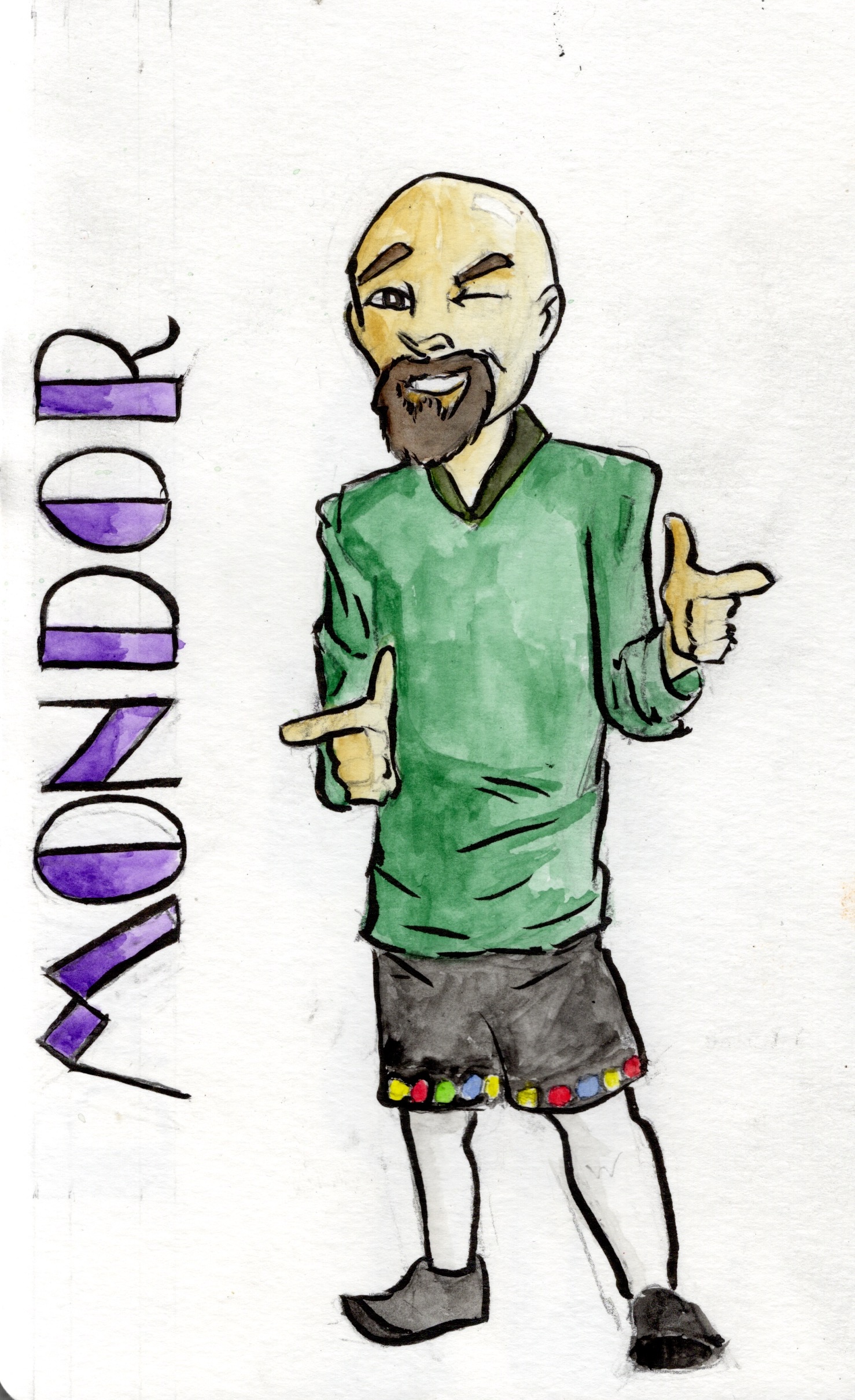
I woke up directionless On Saturday. I wanted to draw, but nothing was coming to me. You can imagine what a relief it was when one of the most influential people from college shared with me his very good artwork. Dude’s got an eye for color and chaos. We chatted all morning, mostly about philosophy—not like two guys in togas, but rather about the decisions and circumstances that led to where we are. I picked up a lot of insight into my friend and into myself.
I wanted a café near the Metro so I could hop the train over to Union Station and see if Ember was around. I settled on Ididos, nearish to the Metro station, and would leave when I was good and ready.
Just as I was about to eat what I knew was going to be a fantastic, Ethiopian breakfast sandwich, my phone made a noise. It was an unusual noise. It was telling me I was getting a phone call. The only people who call me are the robots at the pharmacy, so I pulled it out of my pocket with sweaty hands.
The caller ID told me it one of the most influential people from New York. Immediately my mind said, “I can’t lose another one.”
There is nothing wrong with my friend. She was checking in because she had some precious, precious time, and she thought she’d spend some of it on me. She was such an amazing friend because she was a hilarious and filthy (and really professional) degenerate, and she was also the most loyal, sincere, protective, Mama B you’ll ever meet.
Energized by my friends and the four golf caps I saw, across all demographics, I decided not to go looking for Ember. Instead, I walked south. It was miles to the next station, and I had no idea how I was getting back home, but I didn’t care.
That’s how I stumbled onto Rock Creek Cemetery. I had been there in 2011 with a friend, seeking out Clover Adams’s grave. I remember how haunting it was. While I was in the neighborhood, directionless, I thought I’d find it again.
Clover is how Marian Adams was known to everybody. In the late 1800s, she was married to famous writer named Henry Adams, and they lived in Washington D.C., near the White House. She was a prolific photographer, and, by all accounts, their marriage was a happy one. However, after her father died, Clover sank into a deep depression and drank a lethal amount of photo-developing chemicals.
When I first heard this story, I was reminded how my then-father-in-law coped with his wife’s death. He purged every photograph with her in it, every tchotchke she collected. He even remodeled the family into something completely unrecognizable. Likewise, Henry burned her letters and photographs. Neither Henry nor my former father-in-law ever spoke of their first wives again.
Her burial was ostentatious. He hired celebrated architect Stanford White to design a memorial to mark Clover’s grave. There is a grove of trees with steps leading into the center. There you’ll find a large, curved marble bench that could seat six comfortably. Across the expanse marked by small, tumbled stones, sits Grief.
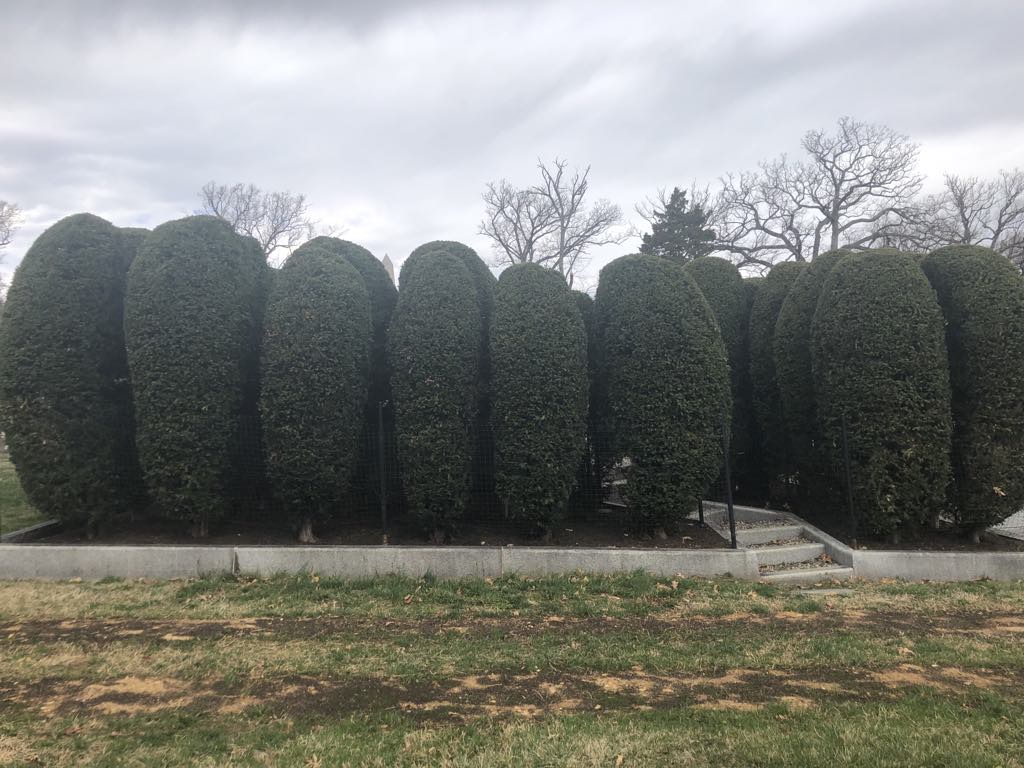
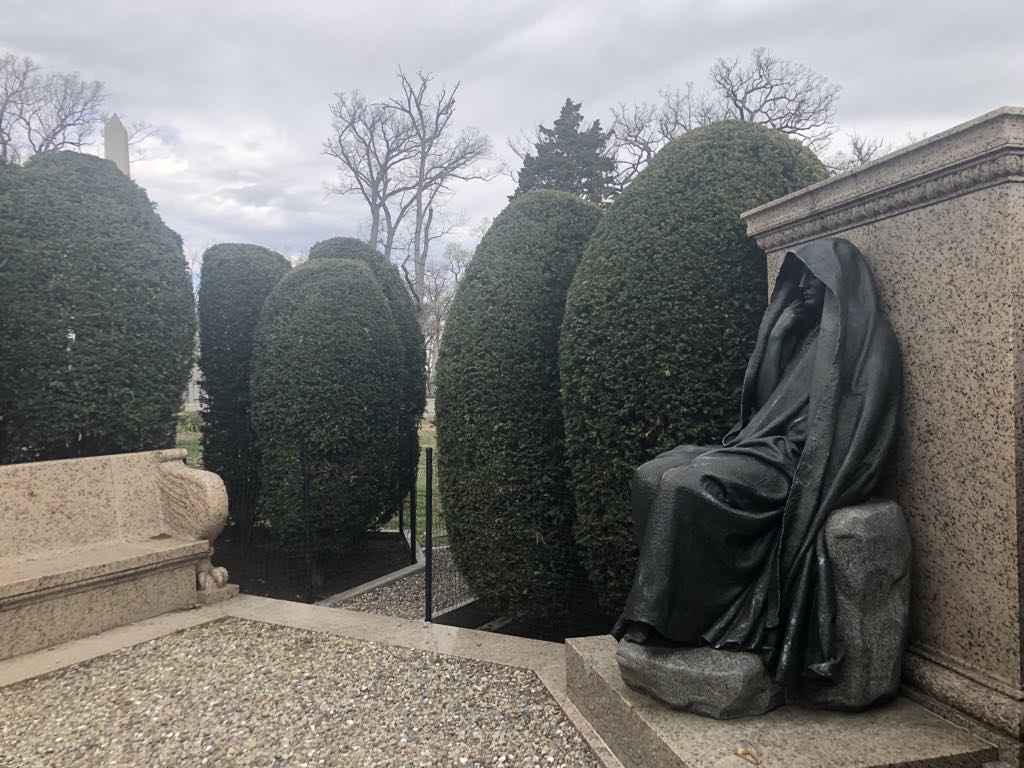
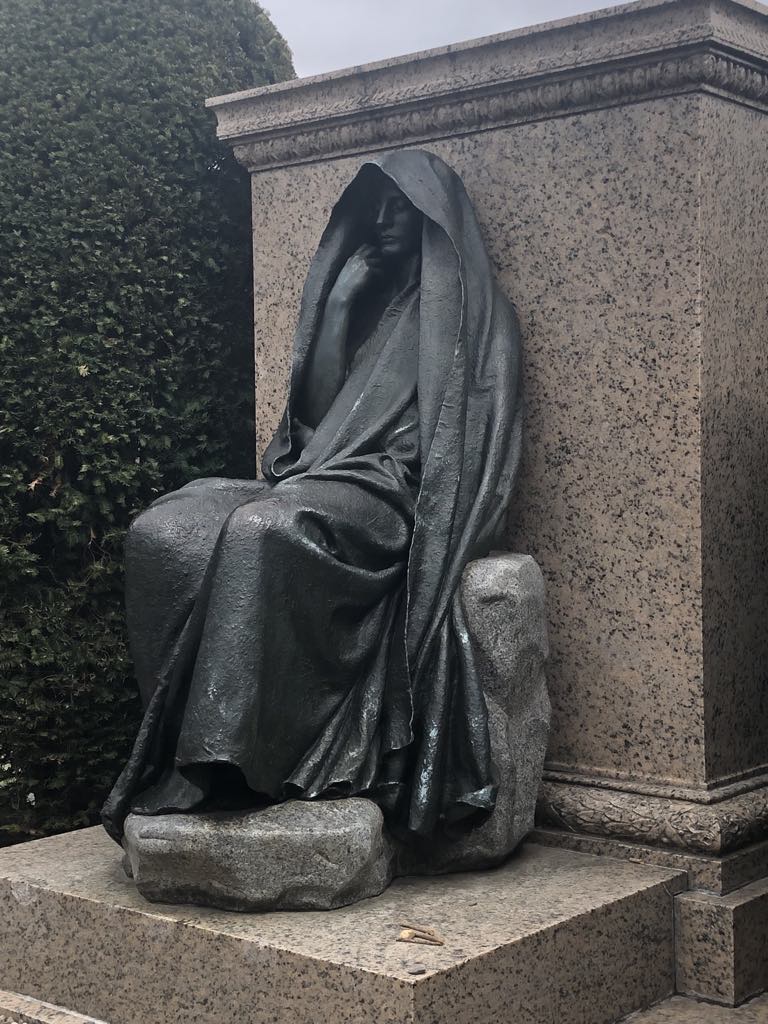
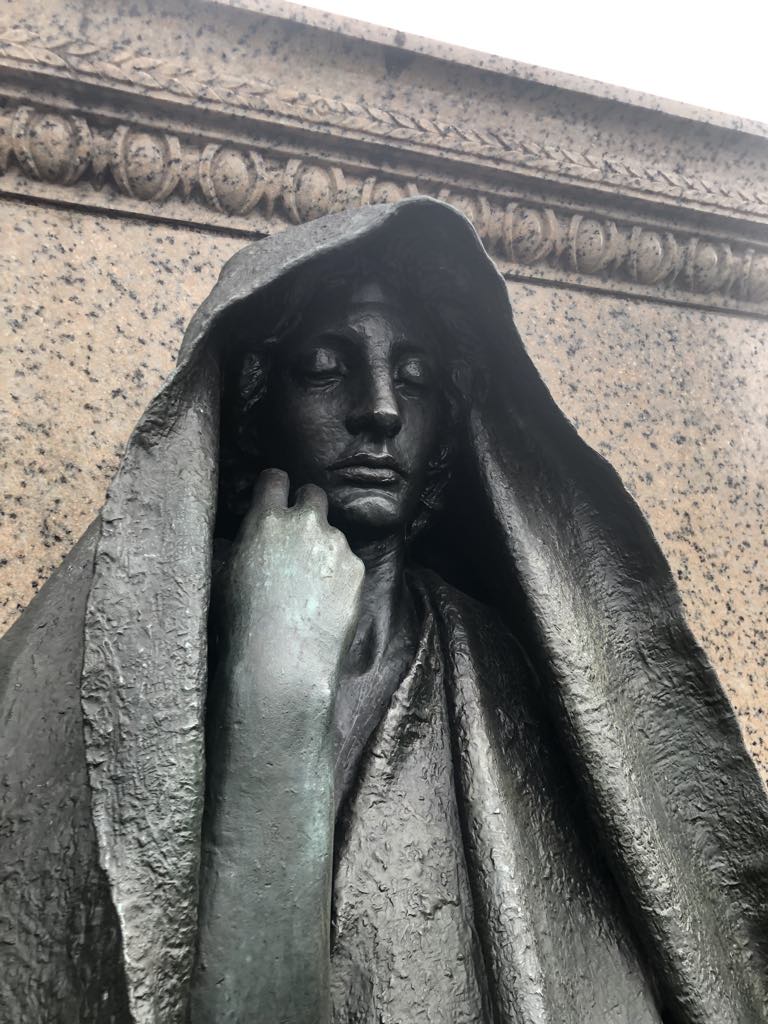
The full name of the statue is The Mystery of the Hereafter and the Peace of God that Passeth Understanding, by Augustus Saint-Gaudens. The newspapers saw that title and said, “We’re going to call it Grief.” The subject of the statue is not Clover Adams. It’s neither male nor female. Its only purpose is to mourn because Henry couldn’t.
As a skeptic, I can’t explain the vibe of that place. It was sad, but it was also kind of frightening, requiring me to push through a lot of fear to get that close-up. Then I did the unthinkable. I stuck around with my sketchbook. I’m going to put a lot of time and care into this one.
Henry Adams built an actual monument on top of the final remains of his beloved wife. Her name is nowhere to be found.









 Jeremiah Murphy